How we work
Anyone can list services. These are the standards behind them.
Six operating disciplines that decide whether a programme holds together. They are written down because a standard nobody can quote is a preference, and preferences do not survive show day.
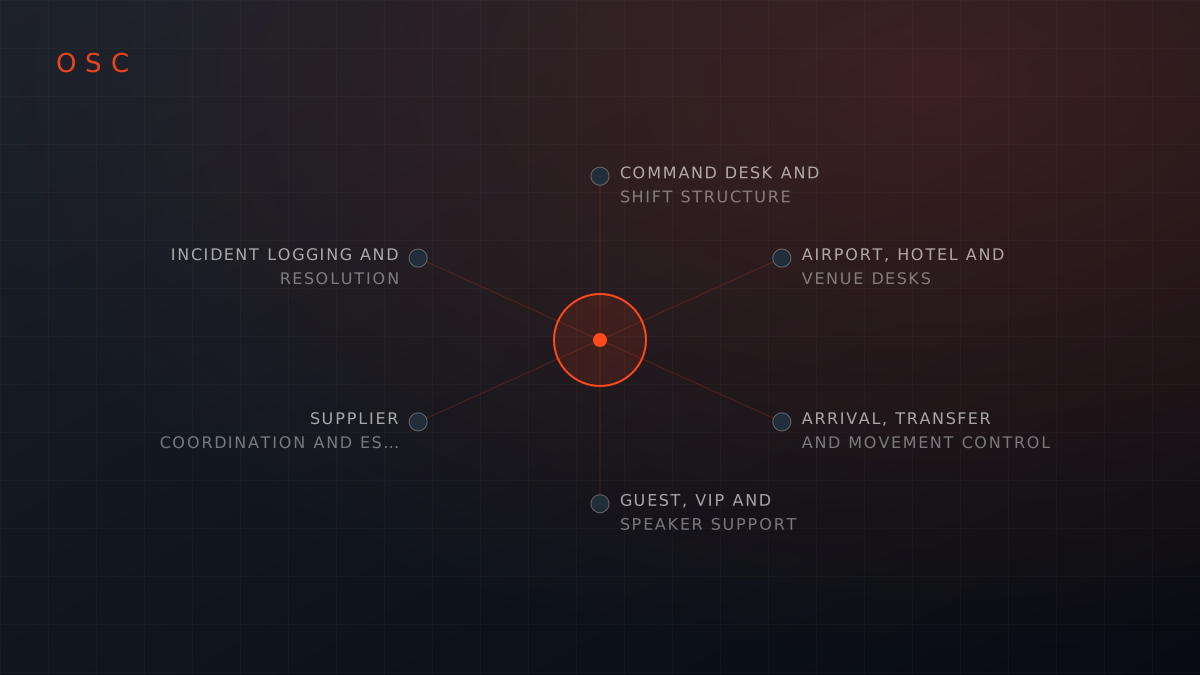 The desk that runs the daysOn-Site CommandA live operating structure with named owners, agreed decision rights and a written record of what was decided on the floor.4 standards
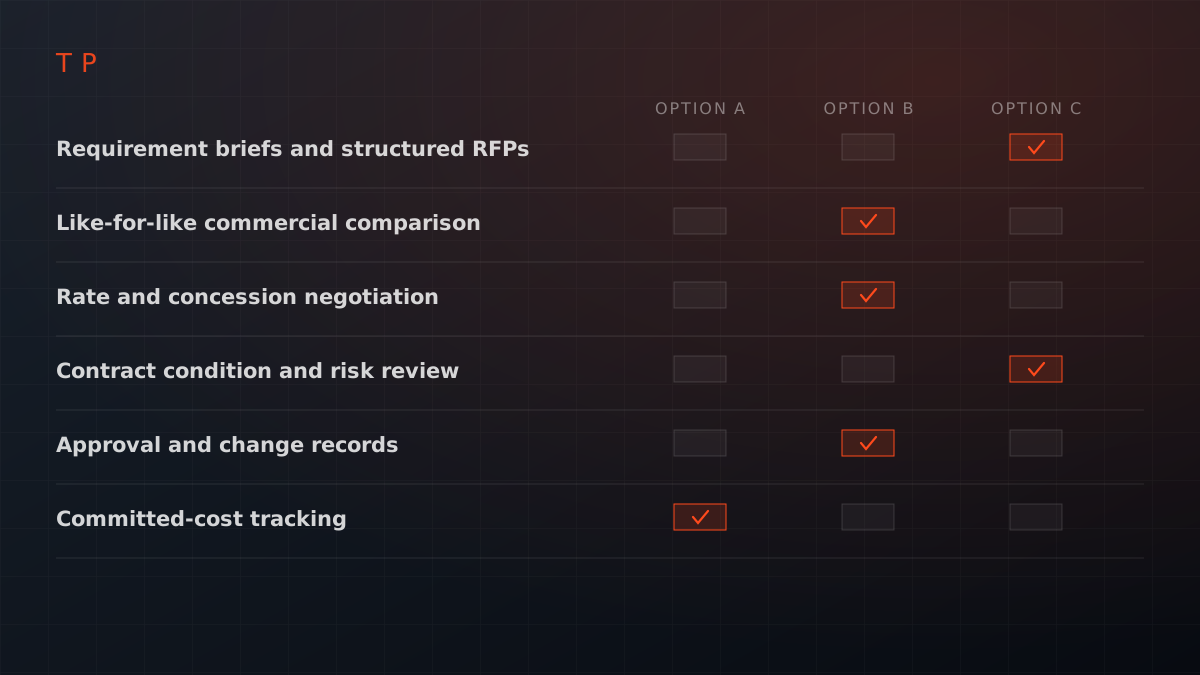 Comparable quotes, visible margin, reconciled accountSourcing & Cost ControlStructured sourcing, stated commercial assumptions, approvals before commitment, and a closing account that reconciles line by line.4 standards
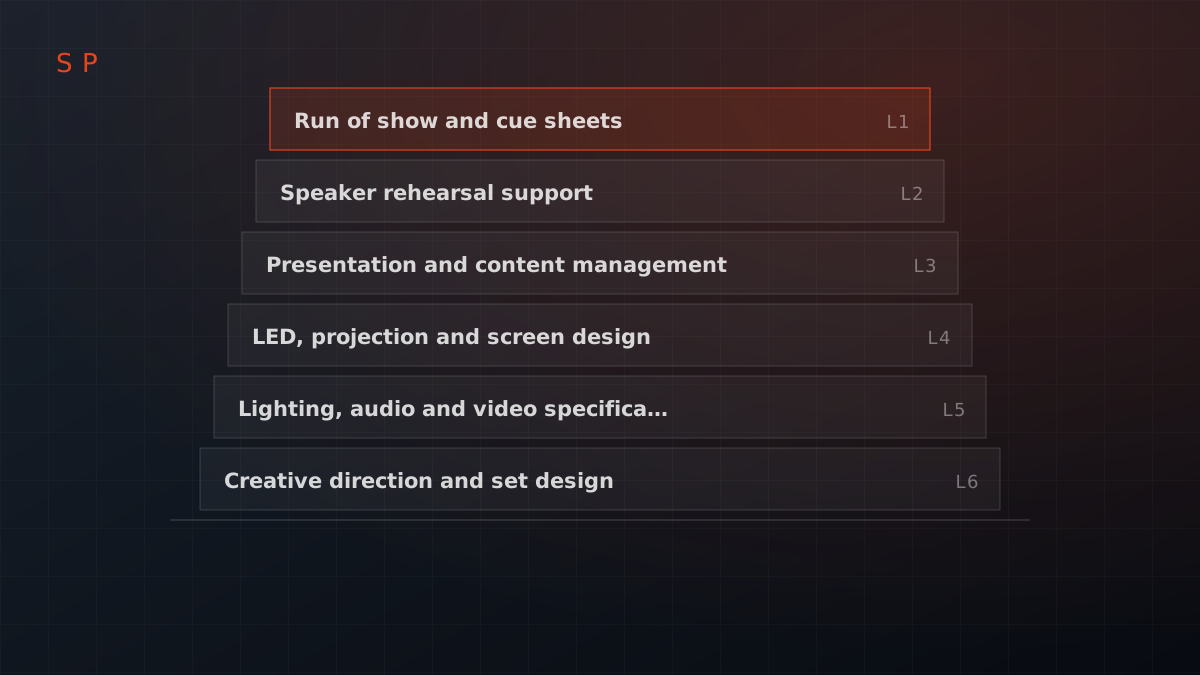 Designed to the room, rehearsed to the cueStage & Show ProductionRoom design against measured venue conditions, one controlled version of every deck, rehearsed transitions and agreed backups.4 standards
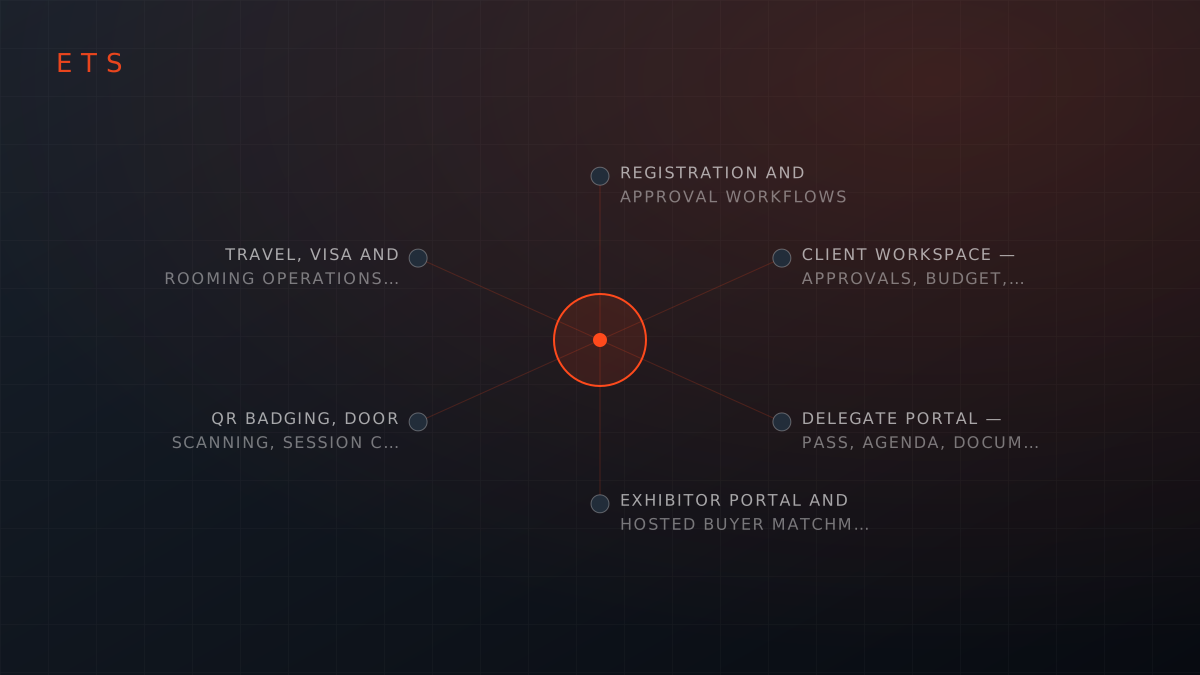 One record, four audiences, real access controlEvent Technology & AccessOur own platform: registration, client workspace, delegate portal, exhibitor matchmaking, badging, live boards and close-out data.4 standards
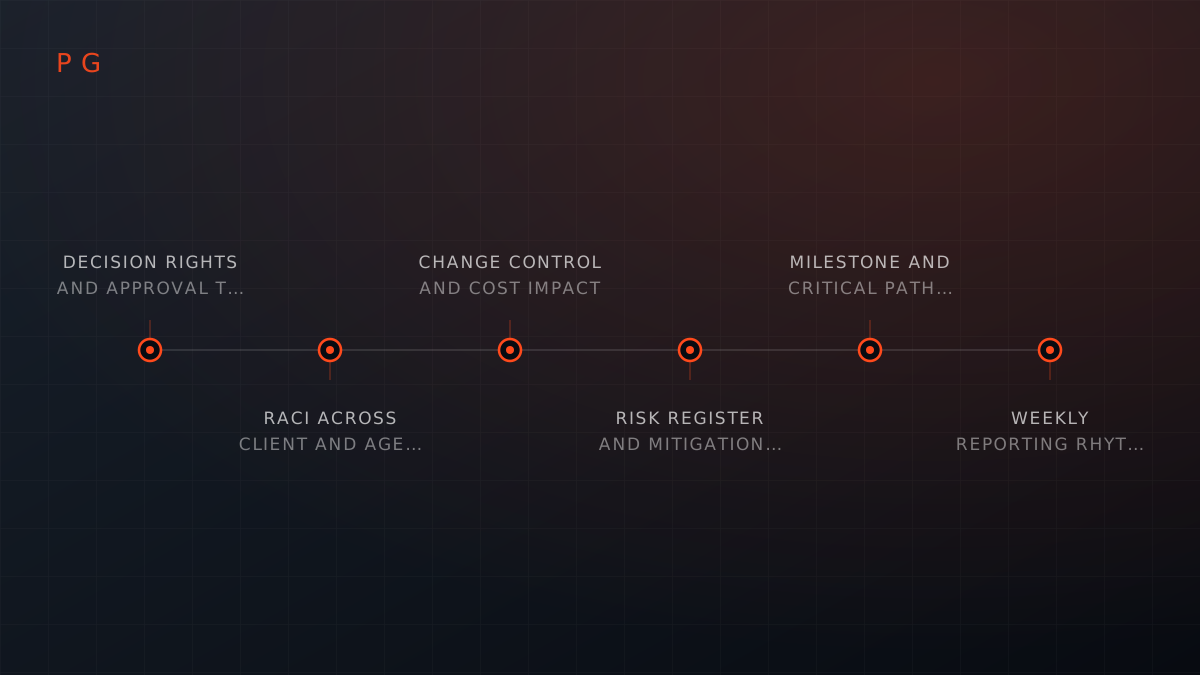 Who decides what, and by whenProgramme GovernanceDecision rights, change control, risk registers and a reporting rhythm that keeps a programme honest between the brief and the floor.4 standards
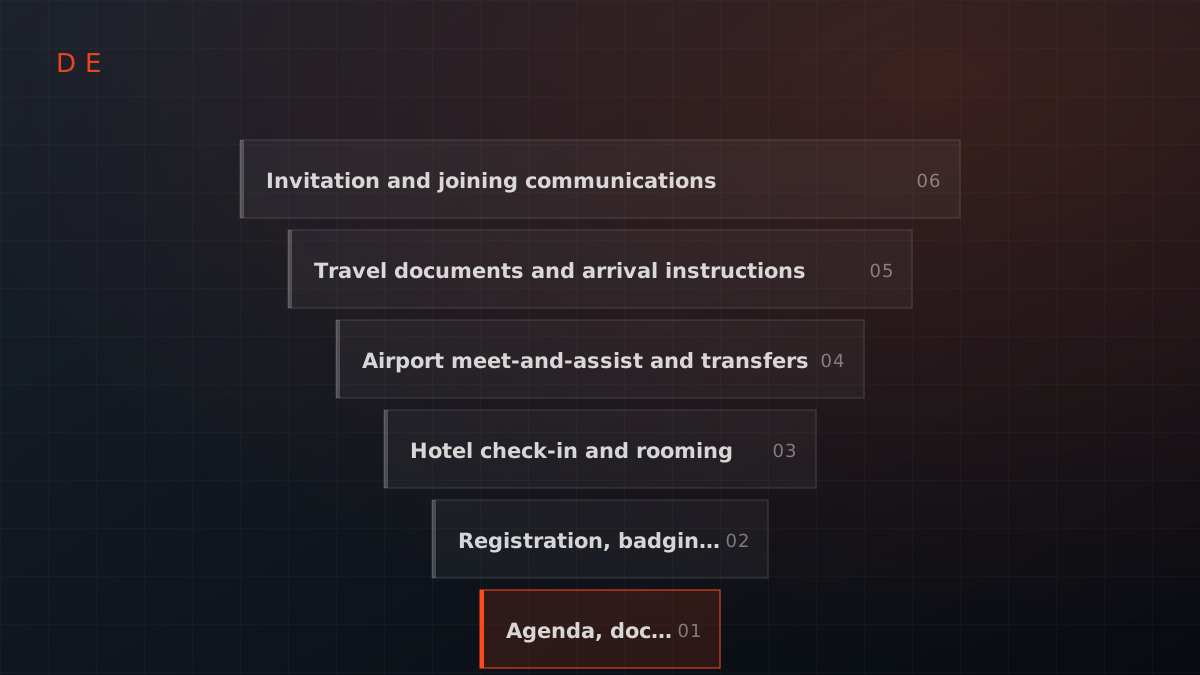 Twenty touchpoints, one impressionDelegate ExperienceThe delegate’s view of the event, designed deliberately from the invitation to the survey — including the parts nobody plans.4 standards
The sequence
Six stages, every time.
Whether we are running one workstream or the whole programme, the shape of the work does not change. Governance early, sourcing that returns comparable answers, a design checked against the building, and a close-out that includes what went wrong.
Brief
The objective in one sentence, the audience, the budget envelope, the dates and — the part most briefs skip — who signs. We tell you at this stage if the dates and the destination do not work together.
- Objective
- Budget envelope
- Decision rights
- Feasibility
Source
Venues, hotels, ground, air, production and technology go out as structured RFPs and come back comparable. You see the quotes, the inclusions, the tax treatment and the cancellation terms side by side.
- Venue RFPs
- Rate negotiation
- Site inspection
- Contract review
Design
Run of show, room design, delegate journey, guest communications, exhibitor manual, registration logic and the movement plan. This is where an event stops being a budget and starts being a schedule.
- Run of show
- Delegate journey
- Floorplan
- Comms plan
Mobilise
Rooming lists locked, visas filed, manifests built, suppliers briefed, technical rehearsals run, escalation routes named. Every open item has an owner and a date before anybody boards a plane.
- Rooming
- Visas
- Manifests
- Rehearsal
Run
A live desk with named owners for arrivals, venue, stage, guests and suppliers. Morning briefing, evening handover, one current version of the schedule, and a written log of every decision taken on the floor.
- Live desk
- Arrivals
- Show control
- Escalation
Close
Final account reconciled to contracted scope, attendance and engagement data returned in your format, incidents written down honestly, and the two or three things worth changing next year.
- Reconciliation
- Data handover
- Incident log
- Debrief
Side by side
You have run one of these before. Here is what would be different.
None of the left-hand column is a straw man. It is how most corporate events are genuinely run, including by agencies that are very good at the creative part. The difference is not talent — it is whether the operating detail was decided in advance or discovered on the day.
Sourcing
Five proposals in five different shapes. The decision gets made on the photographs.
One comparison sheet with net rate, service charge, tax, real inclusions and the cancellation curve at 90, 60 and 30 days.
Scope changes
Absorbed quietly, then argued about at the final invoice.
Quoted, accepted in writing with a name and a timestamp, and only then ordered.
Who owns it
An account manager who forwards things to the people doing the work.
A named lead and a named deputy, both of whom are in the venue at 06:00 on build day.
Group travel
Six hundred individual bookings and a spreadsheet.
Grouped by departure city, tracked by ticketing state, sequenced into arrival waves the ground plan can rely on.
Visas
A status count: 41 of 60 approved.
Ranked by who would actually be refused boarding — passport validity against the travel date, missing documents, no appointment.
Registration
One system for sign-up and a different list at the door.
The same record. The head count on the dashboard is the head count at the door.
Delegate documents
Passport scans sitting in somebody’s inbox.
Encrypted before storage, every read logged against a person, purged on a retention date.
On the day
A group chat and whoever answers first.
A live desk, written decision rights, named owners per workstream and an incident log kept as it happens.
Afterwards
A deck with the good photographs in it.
Attendance, engagement, budget variance and the incidents — exported in the format agreed before registration opened.
A close-out report with nothing wrong in it reads as marketing, and everybody senior knows it.
Operating principle — programme governanceOne working day · hello@voyacircle.com
Not sure which of these you need? Describe the event instead.
Tell us the format, the headcount and the month. We will tell you which of these six disciplines your programme actually leans on, and which of them your own team already covers better than we would.